
1. Rental property repairs: repair, improvement or initial repair
Questions
- Could the owners deduct the work that remedied the water damage to the upstairs ensuite shower basin (the timber framing of the subfloor, tiling, grout work, gyprock sheeting and related labour) under section 25-10 of the Income Tax Assessment Act 1997?
- Could they claim an immediate repair deduction for the remainder of the ensuite work, including the new tapware, the custom-made shower screen, the pipe modification and the tiling outside the shower area?
- Could they claim an immediate repair deduction for the work to the main bathroom upstairs and the bathroom downstairs?
Answers
Yes to the first. No to the second and third.
Facts
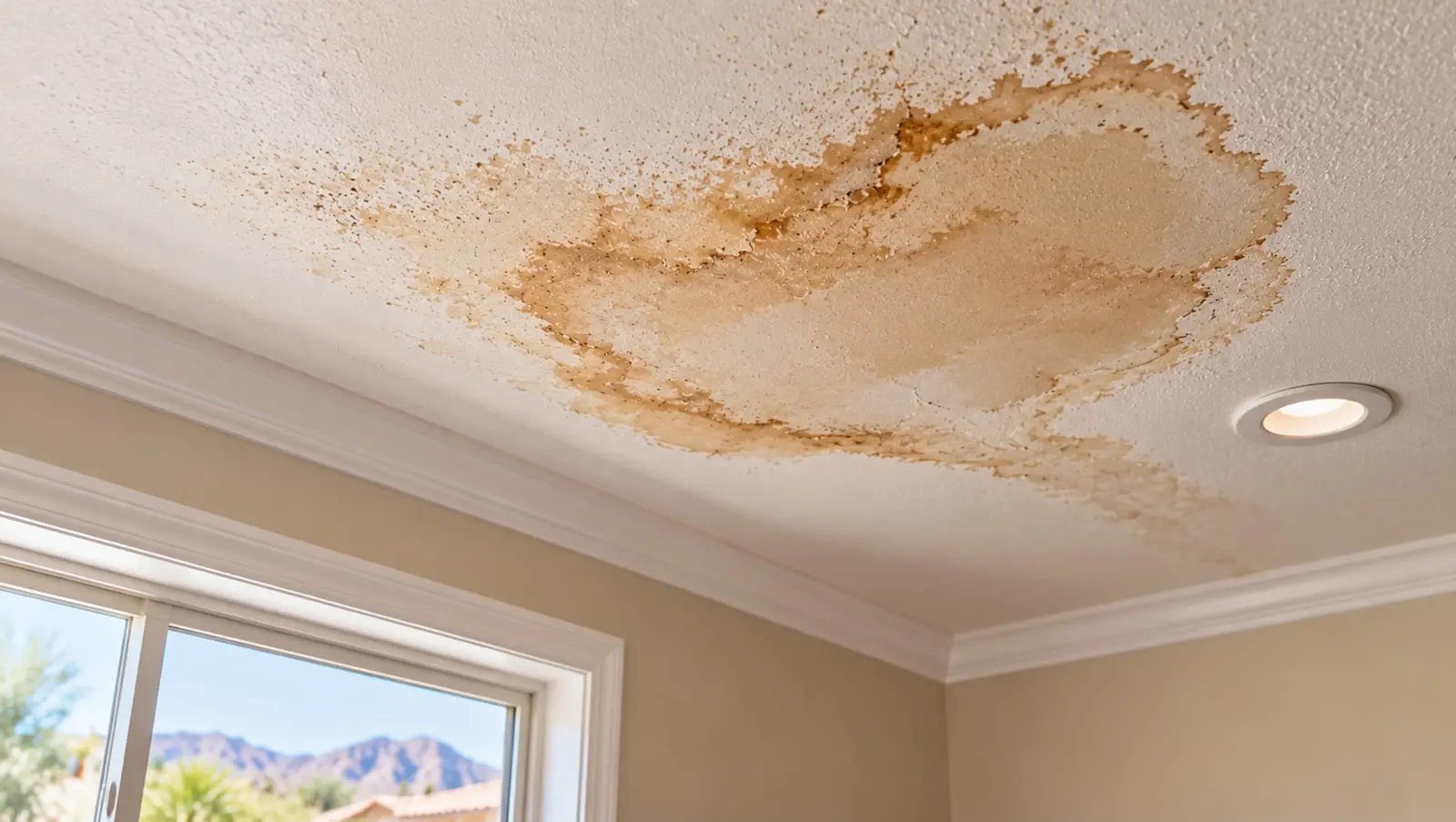
A couple own an investment property as joint tenants and it had been tenanted since purchase. A rental inspection found water stains on a ceiling beneath the upstairs ensuite. An inspector whose report the insurer had requested assessed the leak as originating from the ensuite shower base and unrelated to an earlier roof water-ingress claim.
The purchase inspection report had noted minor damage to the shower screen and warned that leaving it unattended could have a long-term effect on the structure; silicone maintenance had been carried out on the shower in the years since.
The property has three bathrooms. The company repairing the ensuite recommended the same work in the main bathroom, which was showing signs of deterioration, and a reseal of the downstairs shower recess as the most cost-effective option. The owners advised that the works would be a basic replacement using white tiles, returning each area to its original function.
Explanation
A repair restores the property’s functional efficiency without changing its character.
Section 25-10 allows a deduction for repairs to premises held or used solely for producing assessable income, but not where the expenditure is capital in nature.
Under Taxation Ruling TR 97/23, repair expenditure is capital where the work amounts to a renewal or reconstruction of the entirety, where it produces a greater efficiency of function and is therefore an improvement rather than a repair, or where it is an initial repair.
An initial repair remedies a defect, damage or deterioration that existed when the property was acquired. Under TR 97/23, the cost of an initial repair is capital even if the property earns income before the repair is made. A repair is not an initial repair simply because it is first made after the property is acquired. Where deterioration straddles the acquisition, the expenditure can be dissected or apportioned, including on a time basis, so that the part attributable to the owner’s period of holding for income purposes remains deductible.
Applied here, the ruling allowed the make-good work on the ensuite: the repair of the shower base and the surrounding water damage, including the subfloor framing, tiling, grout, gyprock and the related labour.
It denied the remaining ensuite items: the tapware, the shower head and its relocation, the custom-made shower screen, the pipe modification and the tiling outside the shower area. It also denied the work to the other two bathrooms.
The labour costs have to be apportioned between the deductible ensuite repair and the non-deductible work.
The not immediately deductible balance is dealt with under the capital works provisions in Division 43, which allow eligible construction expenditure to be written off over a number of years, and it forms part of the property’s cost base for capital gains tax purposes, reduced by any deduction already claimed.
Implications
The invoices carried three kinds of expenditure. The make-good of actual damage was deductible; the improvement items and the work to the other two bathrooms were not, even though the company recommended them at the same time. It’s important to note the labour has to be apportioned across those categories.
The purchase inspection report documented the shower defect at the time of acquisition. The ruling’s reasons assess “the first repair” to the ensuite shower as an initial repair citing the inspection report and the earlier silicone maintenance invoice.
In practice, read the purchase inspection report before advising on any early repair claim, and keep invoices split by work item where a job mixes repair and improvements or apportion costs on a reasonable basis.